

11 Local Tips Every First-Time Visitor to Oahu Should Know
There are plenty of guides telling you where to go on Oahu. Fewer tell you how to experience the island in a way that makes your trip smoother, more enjoyable, and more respectful.
Whether you're visiting for three days or two weeks, these are the local tips that make a noticeable difference. They're not about checking off attractions, they're about understanding how the island works.
1. Start Earlier Than You Think
The best hours on Oahu happen before most visitors finish breakfast.
Popular viewpoints are quieter, beaches are calmer, parking is easier, and you'll avoid both traffic and the midday heat. If you're planning to visit places like Diamond Head, Hanauma Bay, or the North Shore, leaving before 8:00 a.m. can completely change the experience.
You'll also get better photos without crowds filling every frame.
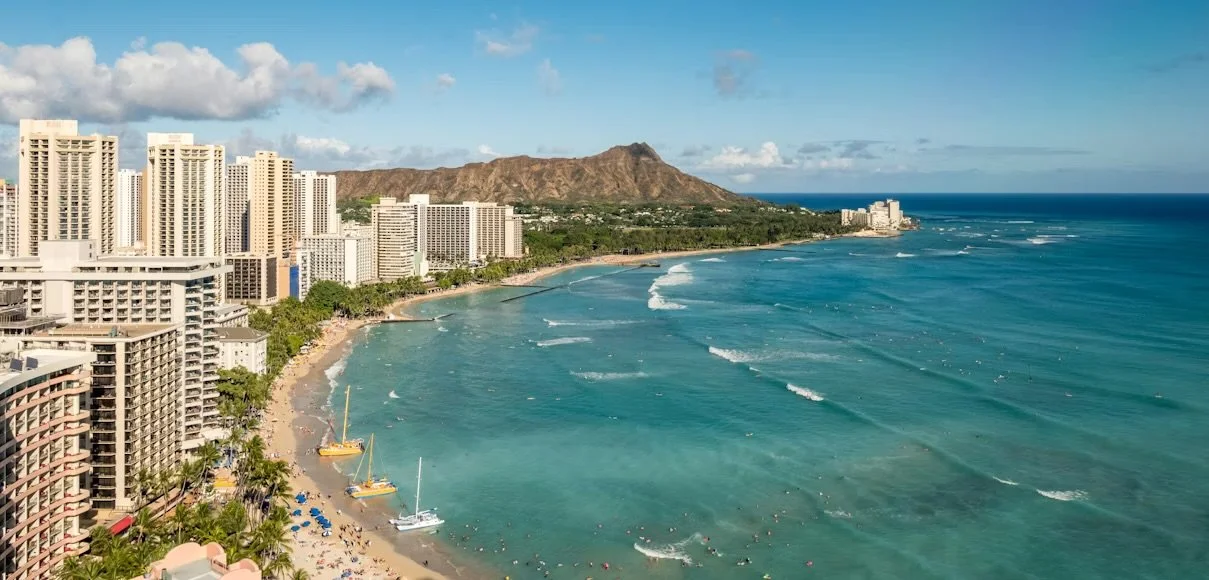
2. Don't Spend Your Entire Vacation in Waikiki
Waikiki is a great place to stay, but it isn't the whole island.
Within an hour's drive, you'll find dramatic mountain overlooks, rural surf towns, botanical gardens, historic sites, quiet beaches, and some of Hawaii's best food.
Many visitors leave Oahu thinking they "saw Hawaii" when they never ventured beyond Waikiki. Some of the island's most memorable experiences happen well outside the resort district.
3. Build Your Itinerary Around Geography
One of the biggest mistakes visitors make is zigzagging across the island.
Instead of driving from Waikiki to the North Shore, back to Pearl Harbor, then east to Kailua in one day, group attractions by region.
For example:
Pearl Harbor + Downtown Honolulu
Windward Coast + Kailua + Lanikai
North Shore + Haleiwa + Waimea Valley
East Oahu + Makapuʻu + Hanauma Bay
You'll spend more time exploring and less time sitting in traffic.
4. Leave Room for Unplanned Stops
Some of Oahu's best memories aren't on any itinerary.
A roadside fruit stand.
A lookout with nobody else around.
Fresh banana bread.
Watching local surfers from the beach.
A rainbow that appears for five minutes.
Leave flexibility in your schedule. The island rewards people who aren't rushing.
5. Respect Ocean Conditions
The water can look calm while powerful currents move underneath the surface.
Never assume a beach is safe simply because it's beautiful.
Pay attention to warning signs, lifeguard advice, surf reports, and local conditions. If locals aren't in the water, there's usually a reason.
Ocean safety is one of the most important parts of visiting Hawaii responsibly.
6. Reservations Matter More Than You Expect
Some of Oahu's most popular attractions require advance reservations or sell out well before your trip.
That includes:
Pearl Harbor programs
Hanauma Bay
Diamond Head State Monument
Popular luaus
Specialty tours
Waiting until you're on the island often means missing out.
7. Eat Where Local Families Eat
Some of Oahu's best meals come from places that don't have ocean views.
Look for neighborhood restaurants, family-owned plate lunch shops, bakeries, and food trucks.
You'll often find better food, shorter waits, and a much better value than the busiest tourist restaurants.
Don't be afraid to try local favorites like garlic shrimp, poke, loco moco, manapua, or fresh malasadas.
8. Give Yourself Time at Pearl Harbor
Many visitors assume Pearl Harbor is a quick stop.
It isn't.
Between the visitor center, exhibits, USS Arizona Memorial program, museums, and nearby historic sites, it's easy to spend half a day, or even a full day, learning about one of the most significant moments in American history.
If it's on your itinerary, don't rush it.
9. Travel with Aloha
One of the first Hawaiian words you'll learn is aloha. While visitors often recognize it as "hello" or "goodbye," for many Native Hawaiians it carries a much deeper meaning.
It reflects a way of treating others: with kindness, humility, compassion, mutual respect, and a recognition that people, culture, and the land are connected. Many of the places you'll see aren't just scenic viewpoints or historic landmarks; they're places with generations of history, cultural significance, and living traditions.
Traveling with aloha can be as simple as taking your time, listening more than you speak, respecting cultural sites, staying on marked trails, supporting locally owned businesses, and caring for the island as if you were a guest in someone's home.
The more you understand the people who call Oahu home, the richer your experience of the island becomes.
10. Don't Try to Do Everything
Oahu has world-famous beaches, military history, hiking trails, waterfalls, surfing, snorkeling, food, shopping, and cultural experiences.
You won't see it all in one trip.
Instead of trying to check every attraction off a list, choose experiences that genuinely interest you. You'll leave feeling like you experienced the island instead of racing through it.
11. Consider Seeing the Island With a Local Guide
Guidebooks can tell you where something is.
A great local guide explains why it matters.
From hidden viewpoints and Hawaiian history to local food recommendations and stories you won't find on a sign, a guided experience often becomes the highlight of a trip because it adds context: not just transportation.
Whether it's your first visit or your fifth, exploring with someone who knows the island well helps you see Oahu differently.
Make Your Time on Oahu Count
Oahu isn't just a collection of famous landmarks, it's a place with deep history, diverse communities, and landscapes that change dramatically from one coastline to the next.
Slow down. Explore beyond the obvious. Respect the places you visit. Leave room for discovery.
That's when Oahu starts to feel less like a vacation destination and more like an experience you'll remember long after you've gone home.